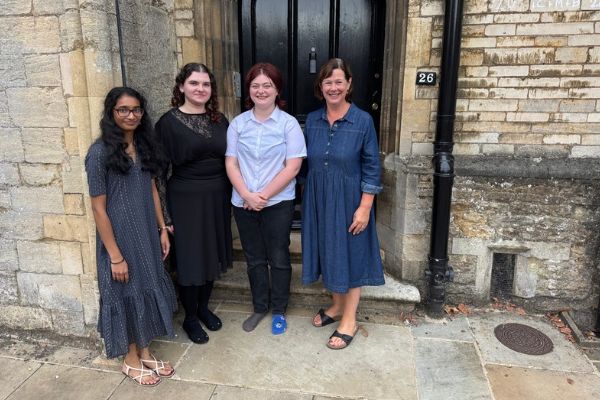
Koinonia House opens its doors to support young people in ministry
A new chapter in the Diocese of Peterborough's commitment to nurturing young Christians in ministry has begun with the opening…
Bishop Debbie has highlighted the important contribution Church schools make in helping children and young people flourish, both as active citizens and as thoughtful participants in an increasingly digital world.
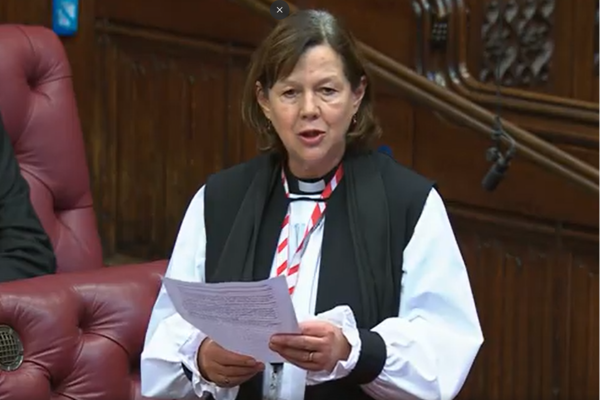
Bishop Debbie has used two recent speeches in the House of Lords to highlight the important contribution Church schools make in helping children and young people flourish, both as active citizens and as thoughtful participants in an increasingly digital world.
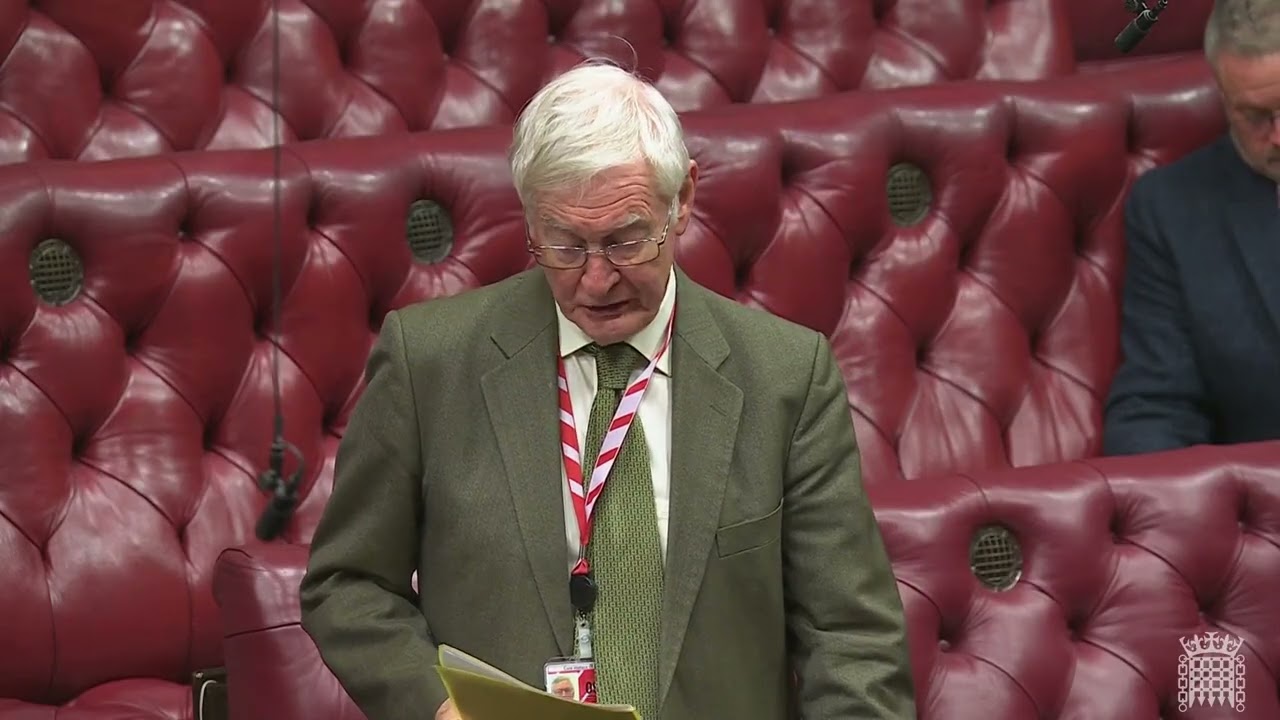
Speaking in separate debates on citizenship education and the impact of artificial intelligence, screen use and social media on children, Bishop Debbie drew attention to the role schools play in nurturing character, responsibility and respectful engagement with others at a time of increasing online disinformation, and in a political environment which too often resorts to hostility.
In her contribution to a debate on citizenship education, Bishop Debbie highlighted the work of Church schools in preparing young people of all faiths and none to participate thoughtfully, respectfully and confidently in public life. She also called for adequate resourcing to ensure that schools, including those serving small rural communities, can deliver the citizenship education young people need to fulfil their democratic responsibility in light of the Government’s decision to lower the voting age.
Watch Bishop Debbie’s contribution to the debate here:
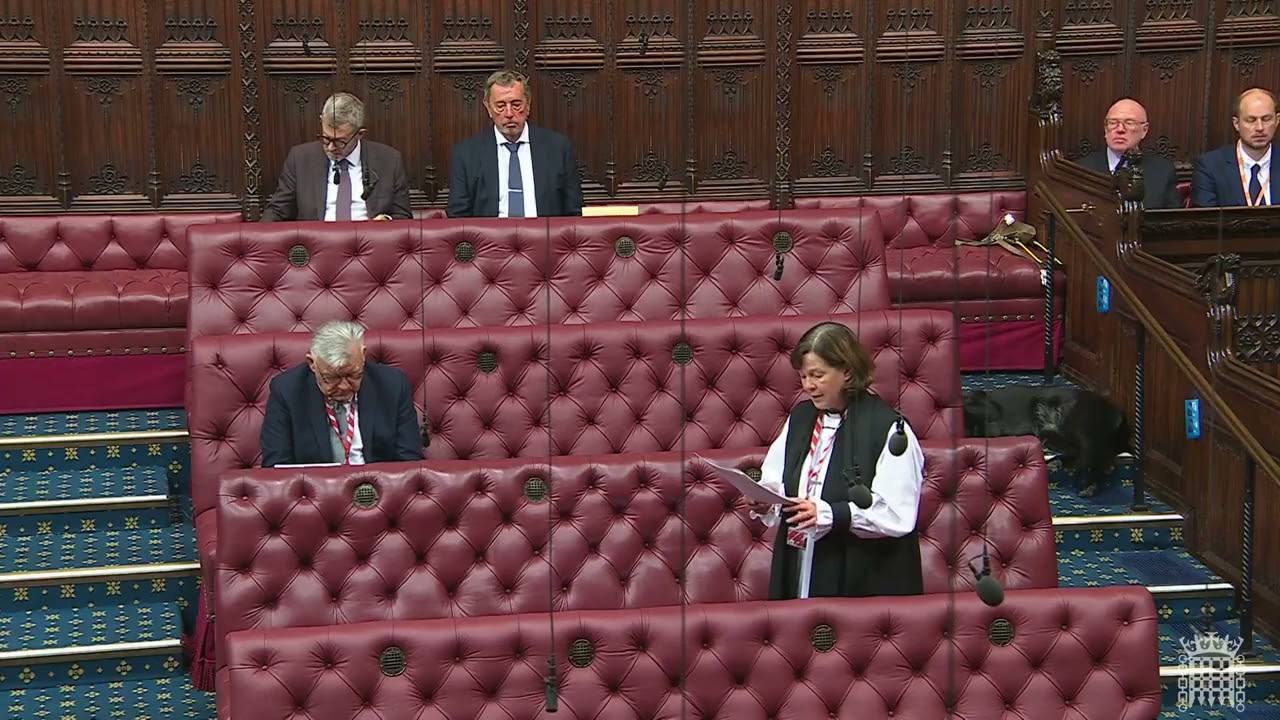
Watch the full debate here:
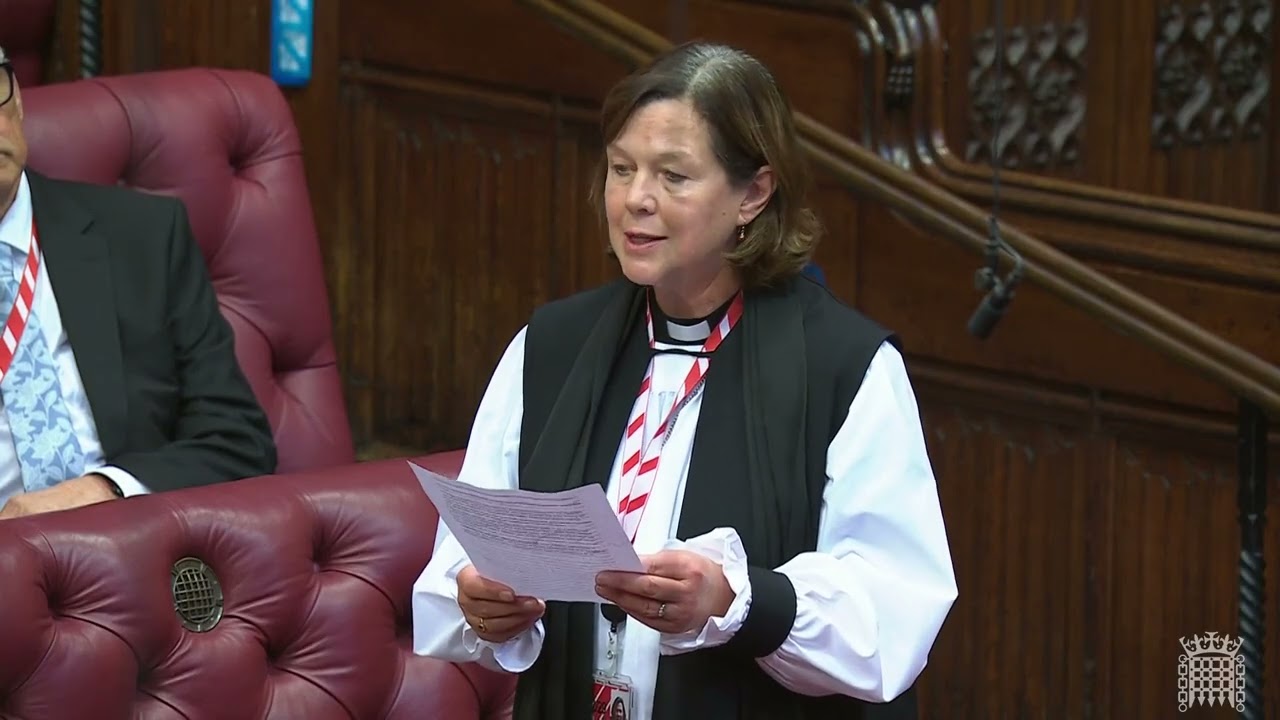
In a second debate later that week, focusing on the impact of AI, social media and screen use on children and young people, Bishop Debbie called for schools to be equipped to use emerging technologies safely and effectively, with human flourishing at their heart. She stressed that preparing children for a rapidly changing world also means preparing and resourcing those who teach them.
Drawing on the example of a Church of England primary school in Peterborough diocese with just 99 pupils, she highlighted the significant challenges smaller schools face in introducing AI safely. She called for practical advice and support, rather than expecting educators to develop specialist knowledge without the resources they need.
Bishop Debbie also explored the deeper question of how technology can support, rather than diminish, what makes us human. She highlighted work already under way at the National Society for Education to understand the challenges and opportunities of AI in Church schools, informed by the first-hand experience of schools and dioceses. She encouraged the Government to listen to those who know their pupils best as it develops policy, ensuring educators are properly equipped to prepare the next generation for a future in which AI is part of everyday life.
Watch Bishop Debbie’s contribution to the debate here:
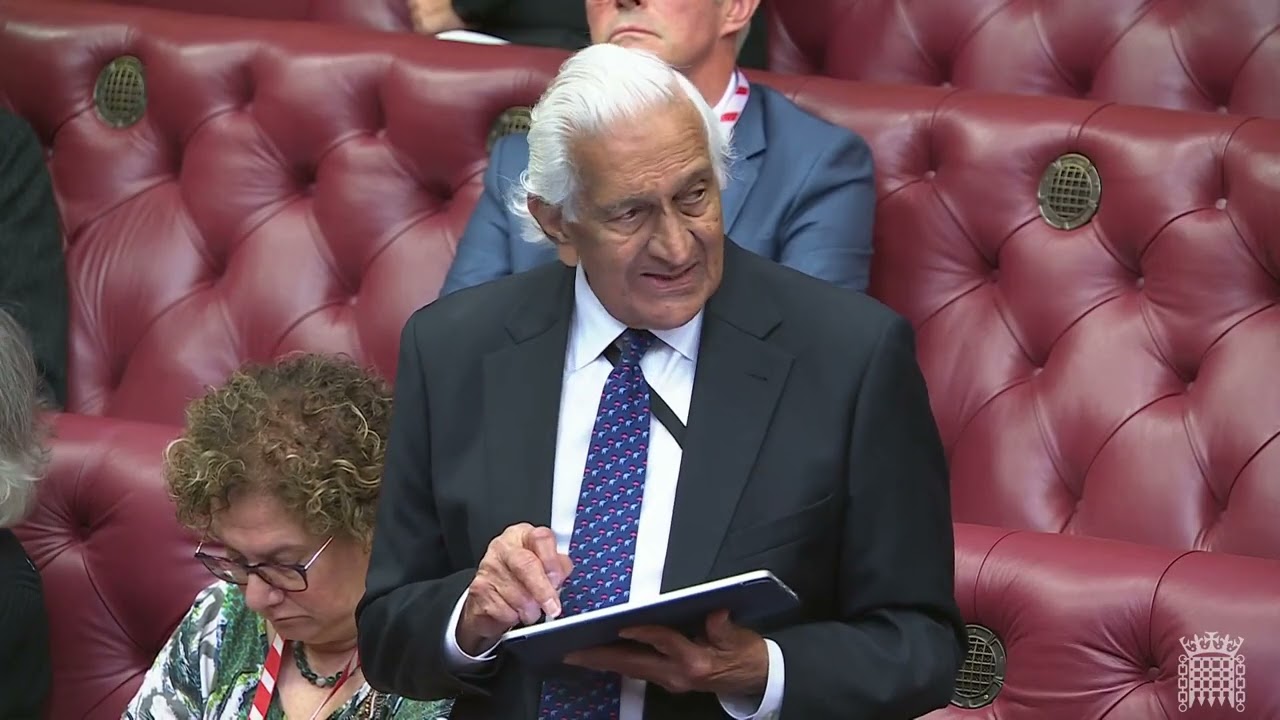
Watch the full debate here:
The two speeches together reflected Bishop Debbie’s longstanding commitment to children, young people and education. As Bishop of Peterborough, she has consistently highlighted the way churches and Church schools serve their communities, helping young people grow not only in knowledge and skills, but also in character, compassion and a sense of belonging.
A new chapter in the Diocese of Peterborough's commitment to nurturing young Christians in ministry has begun with the opening…
The ChurchWorks Commission has named Bishop Debbie as its new chair. The ChurchWorks Commission is run by the Good Faith…
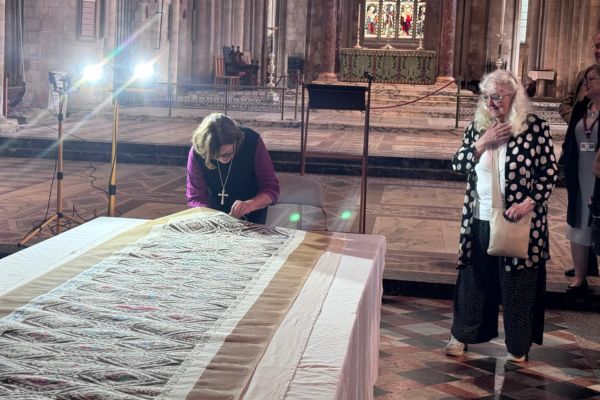
On Thursday, 3 September, a reception was held to celebrate the completion of an extraordinary embroidery inspired by Peterborough Cathedral’s magnificent 13th-century painted Nave ceiling.

Bishop Debbie visited FoodCycle Peterborough at Park Road Baptist Church on Sunday 6 July, meeting volunteers and experiencing firsthand a…
The Church of England must commit itself to the long work of rebuilding trust if it is to be a…
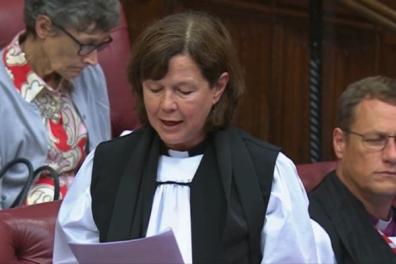
Bishop Debbie speaks in the House of Lords as part of the debate on Child Poverty. My Lords, I…
Following the devastating attack which took place against the Jewish community in Golders Green, Bishop Debbie has issued the following…